If you are researching the vegetarian vegan food safari camps Kenya has to offer because someone in your family is vegetarian or vegan, you are probably picturing a plate of plain rice for eight days straight. I want to put that fear to rest early. Kenyan kitchens handle plant-based diets well, often better than travelers expect, because so much of everyday Kenyan cooking is already vegetarian.
That said, there is a real difference between “we can do vegetarian” and “we can do vegan properly, every meal, for a family with kids.” This post is about that difference, camp by camp, so you can plan with facts instead of guesswork.
Vegetarian Vegan Food Safari Camps Kenya: Is It Actually Available?
Yes, for vegetarian. Nearly every camp we work with, from luxury lodges in the Maasai Mara to budget tented camps near Amboseli, handles vegetarian requests without fuss. Kenyan staple cooking leans heavily on beans, lentils, maize, and vegetables, so the kitchen already has the base ingredients on hand.
Vegan is also very doable, but it takes more planning. The gap is usually dairy and ghee, which show up in chapati, some sauces, and morning tea. A camp that has never had a vegan guest can still deliver a great vegan week, but only if the chef knows in advance and has time to source things like coconut milk or plant-based butter, which are not always in the village shop nearest the camp.
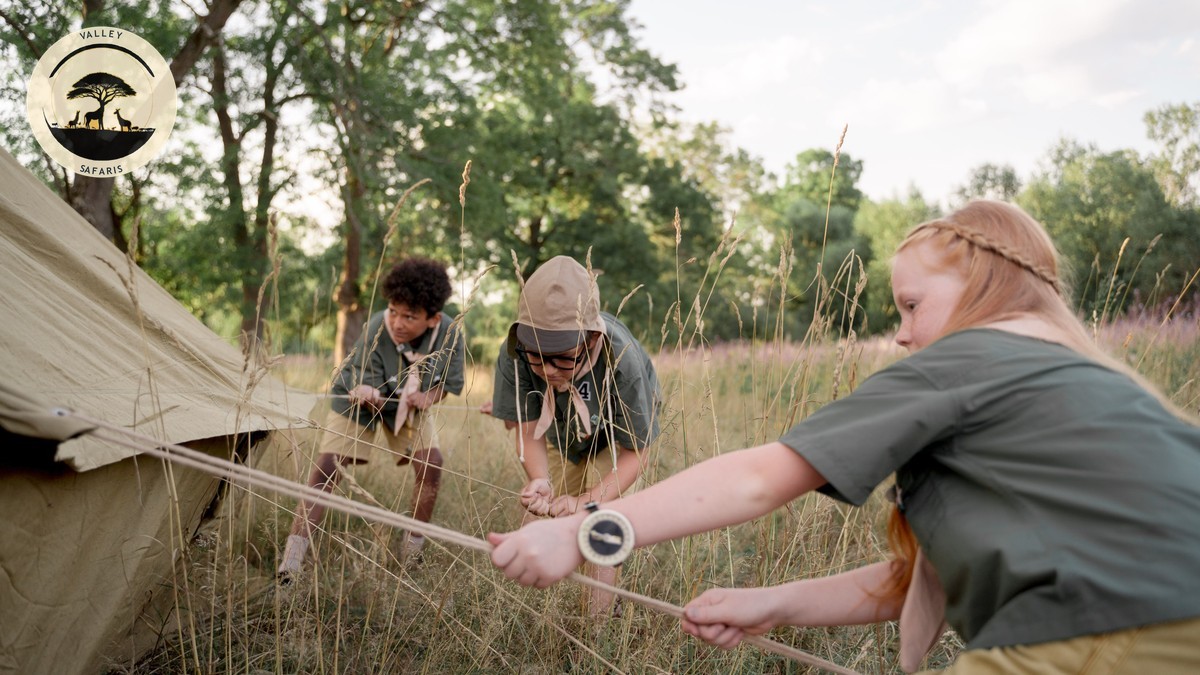
For families traveling with kids, this matters twice over. You want the vegan or vegetarian parent well fed, and you want the kids to have familiar, filling food after a long game drive. Most family-friendly camps can do both, but it helps to say so when you book.
What to Expect on the Menu
Camps generally run three meals a day plus a bush snack or afternoon tea, structured around game drives:
- Early breakfast before a dawn game drive: porridge, toast, eggs (skip for vegan), fruit, and tea or coffee.
- Lunch, often back at camp: a buffet or plated meal with a vegetable curry, rice or ugali, and salad.
- High tea around 4pm: samosas, cake, biscuits, before the afternoon drive.
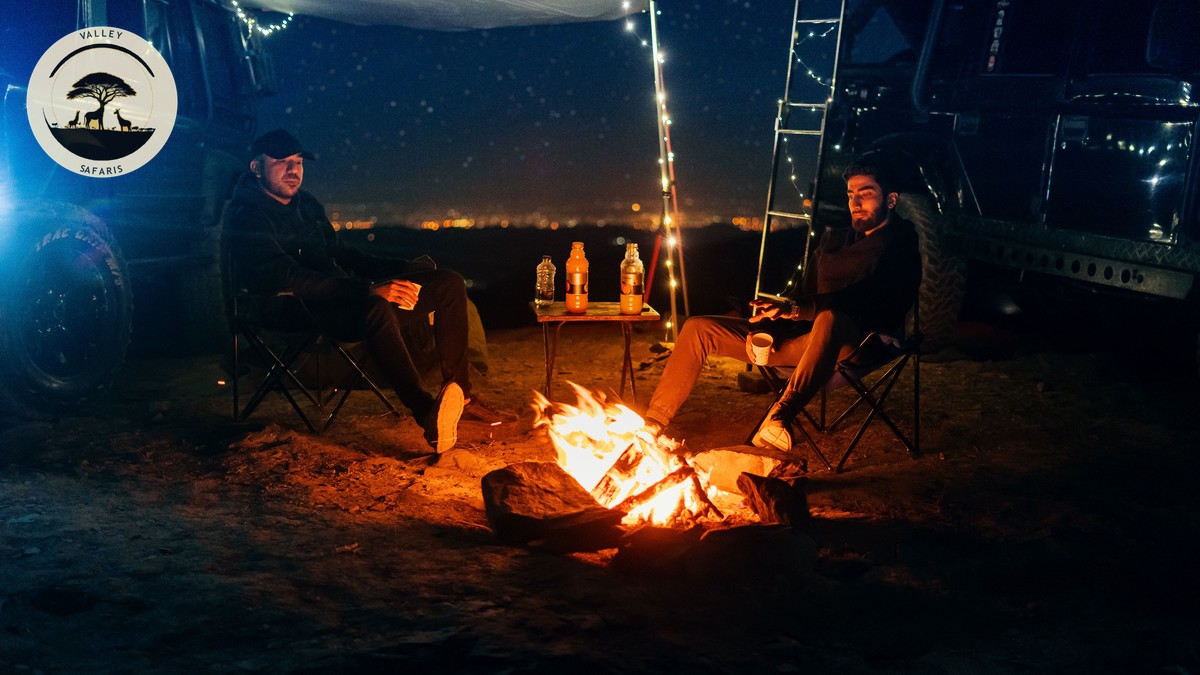
- Dinner: a three-course plated meal, sometimes around a campfire, with soup, a main, and dessert.
Luxury lodges like Angama Mara plate meals individually and can build a full vegan tasting menu with a day’s notice. Mid-range and budget camps usually run a shared buffet, where the vegetarian dishes are already part of the spread rather than a special order, which actually makes them easy to spot and self-serve.
Traditional Vegetarian Kenyan Dishes to Try
Part of the fun of a Kenya safari is eating like a local, not just eating around a restriction. Look out for:
- Ugali: a firm maize porridge, the everyday Kenyan staple, naturally vegan.
- Sukuma wiki: collard greens sauteed with onion and tomato, usually vegan unless butter is added.
- Githeri: a hearty mix of boiled maize and beans, sometimes with vegetables added, filling and naturally vegan.
- Dengu: green gram (mung bean) stew in a light coconut or tomato sauce.
- Maharagwe: red kidney beans cooked in coconut milk, a Coast-influenced dish that is vegan by default.
- Kachumbari: a fresh tomato, onion, and chili salad served alongside almost everything.
Kids on the trip often like githeri and ugali more than they expect to, since both are mild and filling. It is worth asking your camp to serve at least one of these dishes properly rather than a Westernized version, because the real thing is better.
Where Vegan Gets Harder Than Vegetarian
Three spots trip vegan travelers up on a Kenya safari:
- Chapati and mandazi, both safari breakfast staples, are usually made with ghee or milk. A camp can swap to oil with notice, but it is not automatic.
- Tea and coffee service defaults to cow’s milk. Soy or oat milk exists at larger lodges but is rare at small budget camps, so bringing your own shelf-stable plant milk is a reasonable backup.
- Sauces and stocks in curries sometimes use butter or a splash of cream to finish, even when the dish looks vegan. Always ask, don’t assume from the menu description alone.
None of this is a dealbreaker. It just means vegan guests get the best results at camps that have handled vegan requests before, rather than camps you catch off guard.
Planning Ahead: Telling Your Operator or Camp
Tell us at the time of booking, not the week before departure. Camps that receive dietary notice at least two weeks in advance can source specialty items like tofu, nutritional yeast, or coconut yogurt from Nairobi supply runs. Two days’ notice usually still gets you a solid vegetarian meal, just with less variety.
If you are working out how far in advance you should book your safari, dietary planning is one more reason to lock dates early rather than late. It also matters whether you are booking direct with a camp vs. through an operator, since a ground operator like us can flag dietary needs to every camp on a multi-stop itinerary at once, rather than you repeating the request at each check-in.
Bush Meals, Packed Lunches, and Mobile Camping
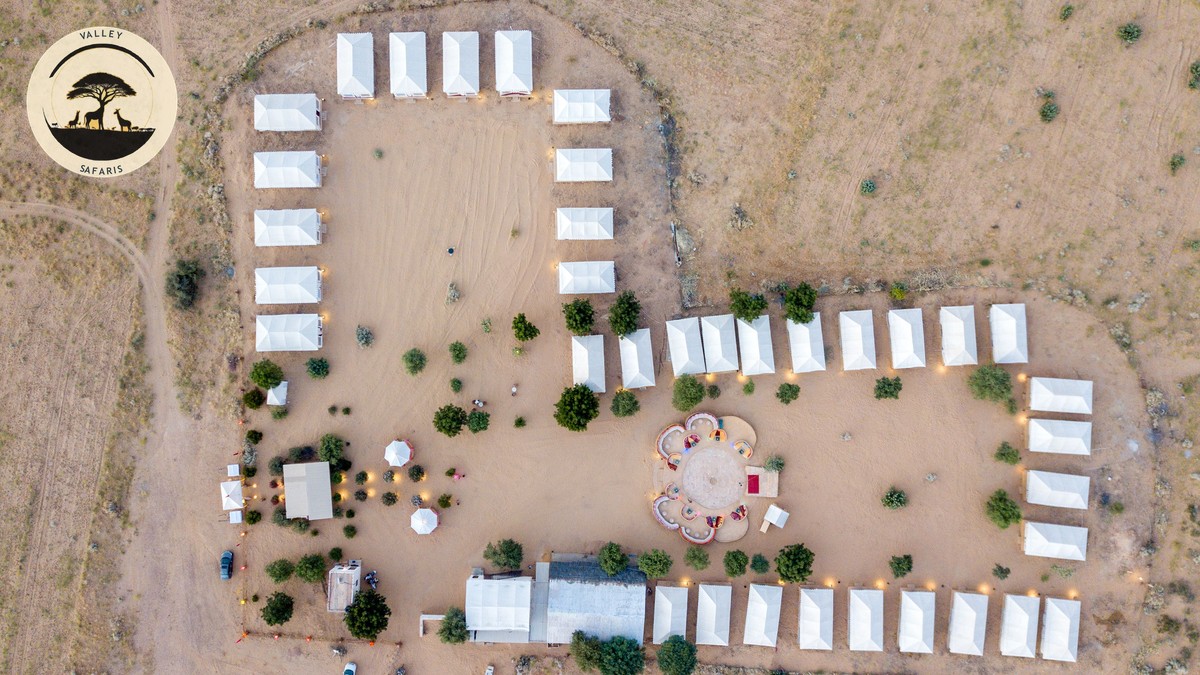
This is the honest trade-off section. A plated dinner at a fixed lodge is easy to make vegan. A packed lunch eaten under an acacia tree on day four of a mobile camping safari in the Mara North Conservancy is a different story.
Mobile camps cook over a fire or a small gas setup, with a much smaller pantry than a permanent lodge kitchen. Vegetarian packed lunches, think vegetable samosas, bean salad, chapati and hummus, travel well and are simple to prepare in bulk. True vegan packed lunches are more limited, often falling back on the same two or three cold options for several days running, because the crew is not restocking daily.
If a mobile or fly-camping leg is part of your family’s itinerary, ask specifically how the crew handles vegan bush meals before you commit to that itinerary. Fixed luxury camps rarely have this constraint at all.
Hygiene and Food Safety
Vegetarian and vegan diets carry no extra food safety risk on safari, but general food and water safety on a Kenya safari still applies. Stick to filtered or bottled water, eat fruit that is peeled or washed in treated water, and let camp staff know if anyone in your family has a sensitive stomach. Reputable camps filter or boil water used in food prep, which covers vegetables and salads too.
Camps Known for Good Plant-Based Kitchens
| Camp | Location | Category | Vegan Handling | Indicative Surcharge | From (USD/night, indicative) |
|---|---|---|---|---|---|
| Angama Mara | Maasai Mara escarpment | Luxury lodge | Excellent, plated vegan menu with notice | None | 950 |
| Saruni Samburu | Samburu National Reserve | Luxury lodge | Very good, chef adapts daily | None | 700 |
| Tortilis Camp | Amboseli National Park | Luxury tented camp | Good, needs 48 hours notice for full vegan | None | 750 |
| Lewa Safari Camp | Lewa Wildlife Conservancy | Mid-range tented camp | Good vegetarian, vegan with advance notice | None | 550 |
| Emboo Camp | Maasai Mara (Emboo River) | Eco tented camp, low-impact | Good, plant-forward menu already common | None | 450 |
| Typical mobile tented safari | Mara North / Naboisho | Mobile camping | Vegetarian easy, vegan limited on bush days | None reported | 400 |
Prices above are indicative per-person, per-night ranges based on standard season rates and can shift with the season and room category. None of these camps charge a specific vegan or vegetarian surcharge as of this writing, though private plated dining at ultra-luxury camps sometimes carries its own cost regardless of diet.
Cultural Etiquette Around Declining Meat
If your itinerary includes a Maasai village visit or a community meal, it is completely fine to decline meat. Maasai hosts are used to a wide range of visitor diets and will not be offended. A polite “I don’t eat meat, but I would love to try what you’re serving otherwise” goes over well, and hosts often have a vegetable or maize dish ready as a matter of course. The key is saying so warmly and early, not waiting until a plate is already in front of you.
The Valley Safaris Difference
We are a Kenyan ground operator, not a reseller sitting behind a website in another country. When you tell us your family needs vegan lunches on a mobile camping leg, we call the camp manager directly, not a booking platform. We know which chefs at Lewa Safari Camp and Emboo Camp have cooked for vegan families before, and we flag it in the itinerary notes that travel with your group the whole trip, not just at the first camp.
For families especially, we also match dietary planning to pace and health needs, malaria zone timing, family room availability, and rest days included. Food is one part of a trip that runs smoothly when someone on the ground is actually paying attention.
FAQs
Is it easy to eat vegetarian or vegan on a Kenya safari? Vegetarian is genuinely easy. Vegan is doable at most camps with advance notice, and easiest at luxury lodges with full kitchens.
Do safari camps in Kenya cater to vegan diets or just vegetarian? Both, but vegetarian is standard practice everywhere while vegan often needs a heads-up so the chef can source dairy-free substitutes.
Is there enough protein on a vegan safari diet? Yes. Beans, lentils, chickpeas, and githeri are protein-rich staples already used in Kenyan cooking, so a vegan traveler is rarely short on protein.
Will there be a surcharge for vegan meals? Usually not, based on the camps in the table above. Private dining setups at ultra-luxury camps may carry their own cost, unrelated to diet.
Can I bring my own vegan snacks or protein powder into Kenya? Yes, factory-sealed snacks and powders are fine for personal use. Declare anything unusual at customs if asked, but this is rarely an issue for typical travel quantities.
Plan Your Trip With Us
If your family is weighing a Kenya safari and wants the vegetarian or vegan planning handled properly from the first email, we would love to help. Have a look at our safari tours or reach out through our contact page and tell us what your family needs. We will build the eating plan around the wildlife, not the other way around.